
Therapy Session Wait Book of Tut Megaways Slot Psychological Wellbeing in UK

Psychological health is now a core topic in the UK, but obtaining timely help is still a major problem. NHS therapy waiting lists can mean waiting for months, causing many people to seek temporary ways to handle stress and find a mental break. This guides us to a curious comparison: the part carried out by immersive, low-stakes entertainment, such as the Book of Tut Megaways slot game. We are not proposing gambling as an answer. Instead, we intend to explore why its mechanics have a psychological appeal as a type of digital escape. We will look at features like free spins and its adventurous setting, which can provide a short mental ‘pause’. At the same time, we will stress the absolute necessity of playing responsibly and receiving professional help for real mental health issues.
Understanding the UK’s Mental Health and Therapy Access Crisis
Mental health support in the UK is under intense pressure. Since the pandemic, requests for services has surged, creating a massive backlog for NHS talking therapies. People often wait between 6 and 12 months, sometimes longer, just for an initial assessment. That waiting time can feel interminable, making feelings of isolation, anxiety, and helplessness much worse. During this interval, individuals instinctively look for ways to cope with daily stress. Some find positive outlets like exercise or meditation. Others might search for quicker, more absorbing forms of digital engagement. This is the realm where activities like online gaming, including slots such as Book of Tut Megaways, can appear as a possible—though dangerous—short-term diversion from psychological pain.
The crisis is more than statistics. It is the genuine experience of waiting. The uncertainty, the sense of not being heard, and the daily effort to keep going can erode a person’s resilience. Without professional guidance, people must navigate on their own, leading to a broad range of coping behaviours. We need to appreciate this context without casting blame. The draw of a vivid, mechanically interesting slot game often goes beyond the chance of winning money. It often lies in the game’s power to capture complete attention, creating a short cognitive escape from repetitive, worrying thoughts. Let us be unequivocal: this is a coping method full of dangers, not a replacement for therapy. Knowing the difference is critical for anyone’s wellbeing.
What exactly is Book of Tut Megaways? A Thematic Adventure
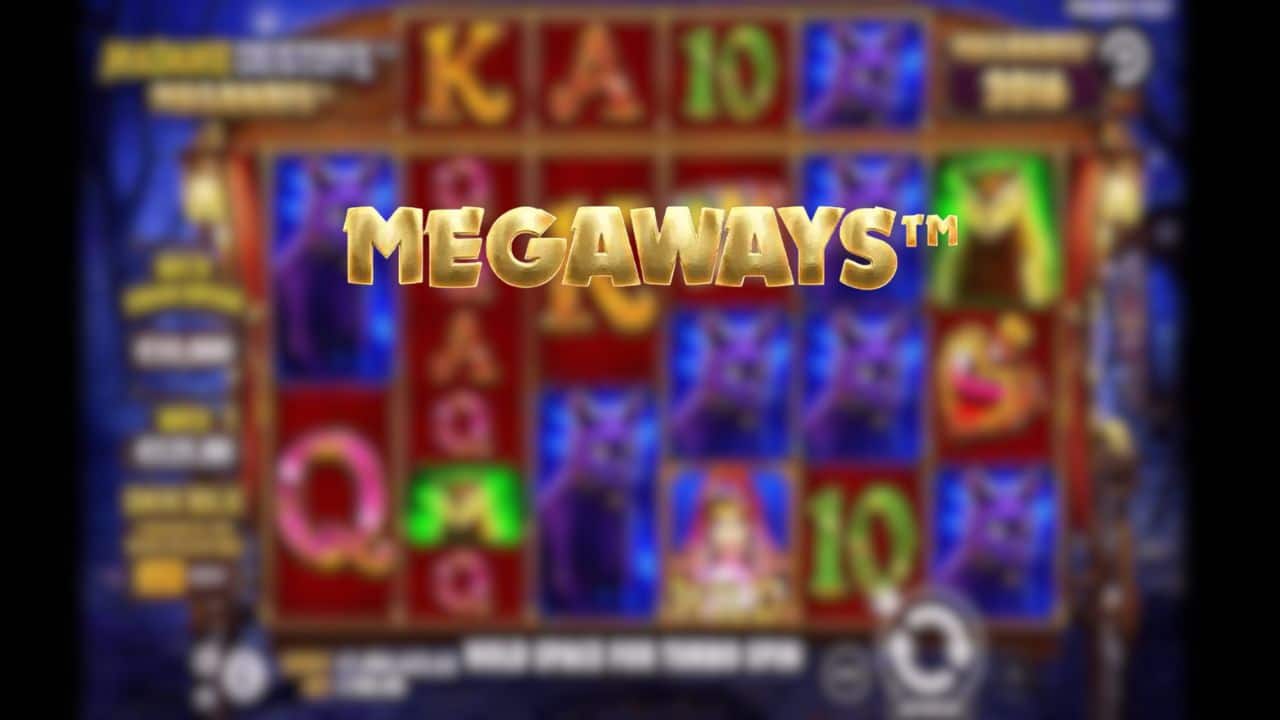
Book of Tut Megaways is a famous online slot from Blueprint Gaming. It employs the Megaways system, approved from Big Time Gaming, where each spin can produce up to 117,649 ways to win on dynamic, cascading reels. The theme throws players into Ancient Egypt, uncovering the secrets of Pharaoh Tutankhamun’s tomb. It boasts detailed visuals of pyramids, scarabs, and hieroglyphics, all accompanied by a moody soundtrack crafted for full immersion. The key symbol is the Book of Tut, which acts as both a wild and a scatter. This book activates the important free spins feature. The mix of high-volatility play and a strong adventure story is key to its popularity.
The power of this theme counts when we consider mental respite. Ancient Egypt settings are always favored because they evoke mystery, discovery, and travel to another place. For a player, spinning the reels turns into a small expedition, a pause from their current reality. The game’s structure—with a base game that creates anticipation and a free spins round that can bring rewards—forms a story arc that engages the mind. This total absorption, where thoughts about work, personal troubles, or therapy lists are pushed aside for a while, is the heart of its escapist value. It provides a structured, consistent setting (the game’s rules) inside an thrilling, surprising story (what happens on each spin).
The Mindset of Megaways: Engagement and Flow
The Megaways system is a clever piece of psychological design. Instead of fixed paylines, the shifting number of ways to win (from a minimum up to 117,649) makes every spin feel singularly promising. The cascading reels feature, where winning symbols vanish and new ones drop down, extends the result of a single spin. This builds suspense and delivers several small moments of resolution. This mechanic can produce a state similar to ‘flow’, a psychological idea where someone is completely absorbed in a task, feeling concentrated and engaged. During flow, internal concerns tend to disappear.
For a person under stress or feeling anxious, reaching this flow state, even briefly, can grant relief. The game asks for just enough mental effort to follow the cascades and symbol matches, but not so much that it becomes burdensome. This balanced demand can work as a circuit breaker for the mind, halting cycles of negative or anxious thought. The risk comes when the game shifts from an occasional mental break to a main method for managing emotions. The very systems that create an engaging flow are also carefully engineered to promote longer play through near-misses and variable rewards. These elements can be especially potent for those feeling vulnerable.
The Two-Sided Blade: Escapism vs. Denial
This leads us to the key distinction between healthy escapism and harmful avoidance. Healthy escapism is a deliberate, brief break that allows renew the mind—like enjoying a novel, catching a film, or engaging in a light game. Harmful avoidance means using an activity to continually suppress or flee from hard emotions and realities, which stops you from dealing with the true cause of distress. Book of Tut Megaways, with its intense immersive qualities, lies right on this boundary. A 20-minute session to decompress after a tough day can be viewed as digital leisure. Playing the game for hours to block out feelings of depression or anxiety while anticipating therapy is a signal of avoidance.
The slot’s high-volatility design creates this risk more significant. Wins might be infrequent but large, boosting play through a pattern of sporadic reinforcement. This is one of the most powerful psychological patterns for sustaining behaviour. The excitement of a big win or even almost hitting free spins can cause surges in dopamine that elevate mood temporarily. For someone struggling emotionally, this can create a hazardous pattern of conditioning: “I feel bad, I play the game, I get a dopamine rush, I feel slightly better for a moment.” This cycle can hasten problematic play, converting a desired mental pause into an additional mental health issue, bringing financial stress and guilt to current problems.
Responsible Gaming as a Critical Mental Health Practice
If anyone thinks about trying games like Book of Tut Megaways, especially when their mental health is under pressure, using strict responsible gaming measures is vital for self-protection. We should view these tools not as extras but as necessary mental health safeguards. First, always use the deposit limits and loss limits that all UK-licensed casinos must offer. Set a strict, affordable budget for entertainment before you log in. View it like buying a ticket for the cinema—money spent for a period of fun, not an investment. Second, enable mandatory reality checks and session time limits. These pop-up alerts purposefully interrupt the flow state, forcing you to consciously think about how long you’ve played and how much you’ve spent.
Third, and most important, never gamble to recover losses or to soothe emotional hurt. This is the fundamental rule. The instant the activity shifts from “I’m playing for fun” to “I need to play to feel okay,” you must quit right away and find other support. UK operators offer direct links to tools like GAMSTOP for self-exclusion, Gamban for blocking software, and support groups like GamCare and BeGambleAware. Keeping a personal diary to record your mood before and after playing can also demonstrate clear, often unexpected facts about whether the activity is really a respite or part of a damaging pattern. Your mental wellbeing must come first, every time, ahead of the next free spins feature.
Different Coping Strategies Before Starting for Therapy
During the wait for professional therapy, many evidence-based strategies can help manage symptoms and build resilience. These do not carry the risks that gambling carries. We strongly advise trying these first. Mindfulness and meditation apps like Headspace or Calm offer structured help for managing anxiety and boosting sleep. Physical activity, even a half-hour daily walk, boosts mood through the release of endorphins. Writing in a journal offers a way to process thoughts and feelings, generating clarity and reducing the mental ‘static’ that may push someone toward distraction.
Also, do not ignore the value of community and peer support. Charities like Mind and Samaritans provide crucial resources, online forums, and helplines with trained listeners. The NHS also suggests a variety of self-help workbooks for issues like anxiety and depression, often grounded in Cognitive Behavioural Therapy (CBT) principles, available online for free. Taking up creative hobbies—arts, crafts, music, or cooking—can produce that same useful ‘flow’ state in a positive, rewarding manner. The aim is to build a toolkit of healthy coping methods. These should not only help you through the waiting period but also support your long-term recovery.
Identifying When Gaming Becomes a Problem
Your top protection is self-awareness. You need to regularly assess yourself if you are using any form of gambling. Important warning signs cover constantly thinking about the game when you are not playing, needing to spend more money to get the same thrill, becoming agitated or irritable when you try to cut back, and, most notably, hiding how much you play from people close to you. Financial signs are just as critical: using savings not intended for gambling, missing bill payments, or borrowing money to play. If the idea of stopping makes you anxious, that is a certain signal the activity has crossed from entertainment into something else.
On an emotional level, using play to avoid problems, feelings of powerlessness, or guilt after a session are major red flags. While waiting for therapy, a person might incorrectly explain these signs as part of their original mental health struggle. In reality, they could indicate a separate, developing issue. The UK’s National Problem Gambling Clinic notes that gambling problems rarely exist alone. They often connect to anxiety, depression, and trauma. Spotting these overlapping signs early and getting help especially for gambling harm from groups like GamCare can stop a crisis. It is a good step you can take for your mental health.
The role of regulated UK operators in player protection
When playing any online slot in the UK, including Book of Tut Megaways, which operator you choose is a major safety consideration. UK-licensed casinos must adhere to strict Gambling Commission rules designed to protect players. These rules include mandatory identity and age checks to stop underage gambling, clear presentation of terms and conditions, and readily accessible links to support organisations. Importantly, they must provide the responsible gambling tools we covered—deposit limits, time-outs, and self-exclusion options—and make them simple to use. Operators also use algorithms to watch for play patterns that indicate risk. They are obligated to step in with safer gambling messages or account reviews.

Players should consider these protections not as bureaucracy but as key elements of a safer playing field. Always select a site with a UKGC licence over an unlicensed one. This guarantees certain standards of fairness, data security, and access to dispute resolution through the Independent Betting Adjudication Service (IBAS). Before you deposit money, navigate to the site’s ‘Responsible Gambling’ section. Learn about the tools there. Setting your limits immediately, before your first spin, is an act of self-care. Bear in mind, a reputable operator encourages you to play for enjoyment. They do not wish you to develop a problem, and their tools exist to support that aim.
Pursuing Professional Help: Routes Past the Waiting List
While you deal with the wait, vigorously explore all routes to help, beyond the main NHS therapy channel. Your GP can be a first stage to discuss medication if suitable, and they may know about local charities or initiatives with shorter waits. The NHS ‘Improving Access to Psychological Therapies’ (IAPT) program permits self-referral online or by phone in many regions, so you do not always need a GP appointment first. Private therapy is an option for those who can handle the cost. Groups like the British Association for Counselling and Psychotherapy (BACP) have lists to locate accredited therapists. Many offer sliding scale fees according to your income.
You might also consider low-cost counselling from training centers, where supervised trainees offer therapy at reduced rates. Employee Assistance Programmes (EAPs) through your job typically include a set number of free counselling appointments. The main thing is to be persistent and pursue several strategies at once. While you might use pursuits like gaming for short respites, taking simultaneous, active steps toward professional help keeps a sense of command and optimism alive. Writing down your symptoms and how they affect you could also be helpful for when you eventually receive that first evaluation. It assists you optimize the period when it comes.
Creating a Long-Term Mental Wellness Routine
Ongoing mental wellness relies on sustainable daily habits, not on occasional escapes. We recommend incorporating small, consistent practices into your life that promote stability. This means keeping a regular sleep pattern, paying attention to nutrition, and adding moments of mindfulness to your day. Structure can be very comforting when managing anxiety or low mood. It reduces the number of decisions you must make and establishes predictable points in your day. Within this framework, you can intentionally schedule time for ‘distraction’ or ‘play’—whether that’s for a slot game, a video game, or watching television. The key is that it is limited and intentional, not a reaction to a sudden impulse.
Your routine should also incorporate times for digital detox, especially from intensely engaging activities like gambling or fast-paced social media https://book-of.eu/book-of-tut-megaways/. Spending time in nature, noting things you are grateful for, and nurturing real-world friendships are basic pillars. No digital experience can copy their effect. The goal is to lessen the *need* for intense escapism by building a daily life that feels more manageable and interesting. Think of it as strengthening your psychological immune system. Then, when stressors appear, or when you face a long wait for services, you have a solid array of tools to use. These resources should not carry the high risks that come with uncontrolled gambling.
Addressing mental health challenges in the UK, especially with long therapy waits, requires a careful, layered approach. Immersive games like Book of Tut Megaways can provide a temporary mental pause through their engaging Megaways mechanics and thematic escape. But we must stay very aware of the thin line between a short diversion and damaging avoidance. The foundation for using any such activity must be a firm commitment to responsible gaming tools and honest self-checking. Giving priority to healthy coping methods, investigating every possible avenue for professional support, and developing a sustainable wellness routine are the most dependable routes to lasting wellbeing. They help ensure your mental health journey progresses with safety and strength.